
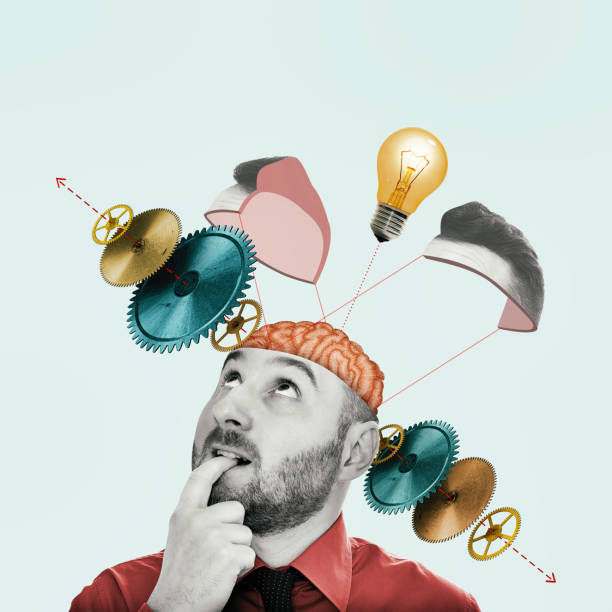
The digital marketing landscape in 2025 is shaped by two powerful forces: the rise of artificial intelligence (AI) and the enduring need for authentic, human-centered connections. As automation and AI-driven tools become more sophisticated, the challenge for brands and founders is clear – how do you harness the efficiency and scale of AI without losing the empathy, creativity, and trust that only humans can provide?
The Rise of AI and Automation in Marketing
AI has revolutionized digital marketing by automating routine tasks, optimizing campaigns, and enabling unprecedented personalization. Today’s AI tools can:
- Analyze massive datasets to uncover customer insights
- Personalize content and product recommendations at scale
- Automate ad buying and optimize budget allocation
- Power chatbots and virtual assistants for instant customer support
- Predict customer behavior and optimize the customer journey.
Brands like Amazon, BMW, and Sephora have used AI to deliver tailored experiences, increase engagement, and boost conversions. For example, BMW’s generative AI campaigns enabled rapid localization of content, while Sephora’s AI-powered chatbot provided personalized beauty advice, leading to higher conversion rates and customer satisfaction.
The Human Element: Why It Still Matters
Despite these advances, marketing that relies solely on automation risks becoming impersonal and generic. In 2025, consumers are more likely to engage with brands that demonstrate empathy, authenticity, and an understanding of their unique needs. Human marketers excel at:
- Building emotional connections and trust
- Understanding cultural nuances and context
- Exercising creativity and strategic thinking
- Navigating complex, relationship-driven sales cycles
The most successful brands use AI to handle data processing and repetitive tasks, freeing up humans to focus on relationship-building, storytelling, and creative problem-solving.
Finding the Right Balance: Strategies for Maximum ROI
To achieve the best results, brands should aim for a seamless blend of AI-driven automation and human expertise. Here’s how:
1. Let AI Handle the Heavy Lifting
- Use AI for data analysis, segmentation, and campaign optimization.
- Automate repetitive tasks like email scheduling, social media posting, and basic customer queries.
- Leverage AI-powered personalization to deliver relevant content and offers at scale.
2. Keep Humans at the Heart of Strategy and Creativity
- Use human insight to craft compelling narratives, brand messaging, and creative campaigns.
- Ensure humans oversee AI outputs to maintain brand voice and cultural sensitivity.
- Focus on relationship-building, especially in high-value or complex B2B sales.
3. Personalize, Don’t Generalize
- Combine AI’s ability to analyze and segment audiences with human empathy to create truly personalized experiences.
- Use data-driven insights to inform, not replace, human decision-making.
4. Integrate, Don’t Isolate
- Ensure AI tools are well-integrated with your existing marketing stack to avoid data silos and maximize insights.
- Regularly review AI-driven campaigns for quality and relevance, making adjustments based on human feedback.
The Ultimate Mix: AI-Powered. Human-Led.
Let’s map the modern stack:
| Function | AI Role | Human Role |
| Campaign setup | Auto-structure, A/B testing | Creative angle, headline decision |
| Lead nurturing | Drip flows, predictive triggers | 1:1 consults, surprise WhatsApp check-ins |
| Analytics | Real-time dashboards, alerts | Pattern interpretation, strategic pivots |
| Content production | Repurposing, transcription, translation | Tone, humor, story nuance |
| Community management | First replies, comment filtering | Human conversations, deeper DMs |
Real-World Results: Case Studies
- BMW used generative AI to localize ad content quickly and efficiently, resulting in faster campaign rollouts and increased engagement—without sacrificing creative quality.
- Sephora’s AI chatbot provided personalized product recommendations, boosting both conversion rates and customer satisfaction by blending automation with a personal touch.
- Amazon leverages AI to recommend products tailored to individual shoppers, driving higher sales and loyalty through hyper-personalization.
Conclusion
AI and automation are transforming digital marketing, but the brands that achieve maximum ROI in 2025 are those that blend technology with the irreplaceable value of human connection. By letting AI handle the heavy lifting and empowering humans to focus on creativity, empathy, and strategy, founders can deliver marketing that is both efficient and deeply engaging. This synergy is the new gold standard for digital marketing success